

We Do Not Part Thoughts.
Another thought of Han Kang

Human Acts by Han Kang left me in a strange place after I finished. Its portrayal of a South Korean uprising and its subsequent cessation was graphic and visceral. The recurring theme in history, of victims having to face the consequences of their “leaders”, is an all too familiar truth. Especially with the ongoing genocide occurring in Gaza, I am confronted daily with the raw themes Han Kang left me after I finished Human Acts.
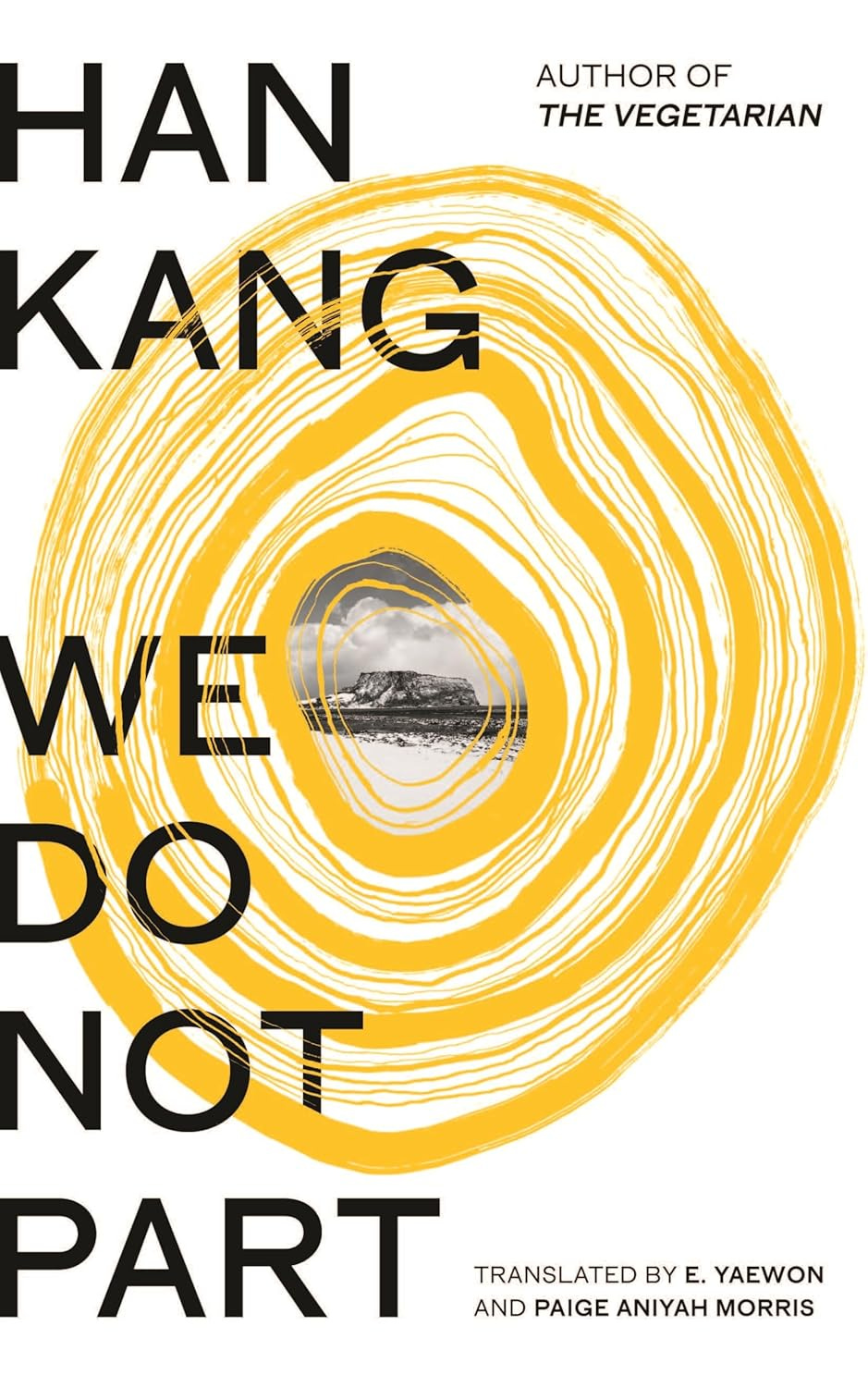
With this expectation of her writing, I went into We Do Not Part prepared to confront another traumatic history. Again, Han Kang explores a traumatic and gruesome event in South Korean history, but instead of taking place during the actual event, Kang places us in the perspective of the family and friends of those affected, generations later. It’s a reminder that we do not part from trauma; time may not be a healer at all; instead, it might serve to only cut deeper as seconds pass.
We follow a narrator who questions her own reality, constantly jumping from the present to the past. The constant confrontation of the past serves to sever a stable, safe reality, plunging her both physically and mentally into anguish. Her journey into her family’s past is painful, yet needed, as she takes on the burden of what her ancestry means. It’s a reminder that a revisit to the past can maime you, making your own reality as unstable as the past. To bring to light certain realities, you’re confronted with a past that is incompatible with your present, and the constant revisiting of said past can only uproot the person you are.
I hope I’m not sounding too hippie wippie over here, but Kang has a way of presenting so many different themes that can be interpreted in so many different ways, especially in works that centre around ideas like this novel, Greek Lessons and the White book.
I feel like when I read Han Kang’s books, my mind wanders to the essence of the depraved nature of man. Her graphic descriptions of true events place the reader in an uncomfortable position where they must visit the perspective of those crushed by tyrannical governments. Kang never places you in the perspective of the oppressor; instead, you, like so many people in history, are collateral in an egomaniac’s dream for control.
I would recommend this book to anyone who already enjoys her writing. If you haven’t had a chance to read her writing, I would recommend reading Human Acts first; you can get a solid understanding of her prose and the themes she incorporates into her works.
She coo.
Thanks,
Sunny
Nice overview of some of her work. I liked The Vegetarian and think she's a great writer of visceral description. Great thoughts!
I'm glad you are back, i thought you died. Will you upload any post/recommendation/slideshow on your social media?